Business Waste Removal in Southgate
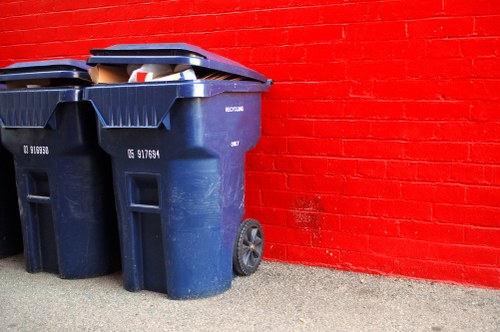
Business waste removal in Southgate should be organised around the type of waste your premises produce, the space available for collection and the way your team works day to day. We provide a practical service for offices, shops, studios, landlords and other commercial sites that need waste taken away without turning routine operations upside down. The aim is straightforward: clear items safely, keep the process tidy and help you manage disposal with less disruption.
Our service covers a wide range of non-hazardous commercial waste, including general rubbish, furniture, office items and mixed bulky materials that are awkward to move internally. Where a business is clearing out a room, changing layouts or replacing worn items, we can help remove the unwanted material in one organised visit. For some sites, that means a one-off clearance; for others, it is part of a planned tidy-up before a handover, refit or relocation.
For a simple next step, tell us what needs removing and the type of premises involved. If you already know the main items, that is enough to start a conversation and shape a quotation.
Commercial waste collections for everyday premises
Every business creates waste in a slightly different way. Some sites generate a steady stream of boxes, packaging and broken fittings, while others need occasional clearance after an office change or stock refresh. Our collections are designed to handle that variety without overcomplicating the job. We work from the material that needs moving, the access available and the volume involved, so the service can be matched to the task rather than forced into a one-size-fits-all approach.
Typical jobs include the removal of office desks, chairs, shelving, filing materials, display items and other unwanted commercial contents. We also deal with mixed clearances where recyclable material and general waste are both present, although segregation and final processing depend on the nature of the load. If you are comparing options, a clear list of the items usually helps more than broad descriptions. Pricing and quotes can then reflect the actual work rather than a guess.
When planning a collection, it helps to note whether items are on one floor or spread across several rooms, whether lift access is available and whether there are any time constraints at the premises. Those details matter because they affect how the removal is organised. A short written outline is often enough, and photos can be useful where the waste is bulky or mixed. That information supports a more accurate quotation and reduces back-and-forth later.
Office rubbish and furniture clearance

Office clearances often involve more than a few unwanted chairs. They can include redundant desks, worn storage units, screens, broken workstations and general items left behind after a reconfiguration. We provide a structured removal service that keeps these jobs controlled, especially where items need to be moved through shared corridors, reception areas or narrow access points. The focus is on making the clearance manageable and keeping disruption low for staff and visitors.
Furniture removal is often one of the biggest parts of a business waste job because large items take time to break down, carry and load. We can remove a mix of office furniture and other reusable or disposable items, and we separate practical disposal decisions from the physical handling of the load. If some pieces are still serviceable and others are not, it is sensible to describe them separately. That helps us plan whether the work is best treated as an office clearance, a furniture clearance or a broader mixed removal. Office clearance is a useful page for work centred on workspaces and furniture.
Two points usually make office removals smoother: first, tell us what is being taken away and where it is located; second, mention any access limits such as loading restrictions, security procedures or lift sizes. If the clearance involves dismantling, list the items that need to be taken apart before removal. That keeps the quotation focused and allows the work to be planned with fewer surprises on the day.
Shop, trade and stockroom waste

Retail and trade premises often need waste removal for reasons that are practical rather than dramatic. A stockroom can fill with old packaging, damaged display materials, expired stock or shelving that no longer fits the layout. Shops may also need help after a refit, when temporary items, fixtures and mixed debris have to be cleared in a tidy way. Our service is designed to remove that material efficiently while respecting the working environment around it.
Where the waste is mainly made up of packaging, cartons and lighter items, the job may be straightforward; where it includes heavier fittings, fixtures or mixed bulk waste, the process needs a little more planning. In both cases, the objective is to keep the site usable and reduce clutter without leaving the premises in a worse state than before. If you need support with odd-shaped or obsolete items, furniture disposal can be part of the solution when shelving, counters or seating are no longer needed.
Business waste removal is also useful when a unit is being prepared for a handover or internal changeover. Rather than treating every item separately, it is often more efficient to group waste by room or area and decide what needs loading first. A clear description of the premises, the items and the timing allows the work to be scheduled sensibly. Simple preparation often saves time: keep access routes clear where possible, separate anything you want retained and note any fragile surfaces or shared spaces that need care.
Bulky items and specialist commercial removals
Some business clearances involve items that are too awkward for ordinary bin collection. Fridges, freezers, sofas, mattresses and other bulky pieces may need careful handling because they are heavy, dirty or difficult to move through tight spaces. These jobs often sit alongside wider commercial waste removal rather than being separate projects. We remove the items as part of a practical load plan, with attention paid to what can be lifted safely and what needs a different approach.
For premises with canteens, waiting areas, staff rooms or furnished customer spaces, this part of the service can be especially helpful. A single clearance might include seating, soft furnishings, appliances and general rubbish left behind after an upgrade or closure of a room. If you are dealing with a mix of bulky and standard waste, it is better to describe the load in ordinary terms than to guess categories. Fridge and appliance removal is available where electrical units need to be taken away separately.
There can also be situations where a business wants a fuller clearance rather than simply a lift-out of one or two items. In those cases, we look at the layout, the quantity and whether anything has to be dismantled before removal. That helps avoid delays when an item will not fit through a doorway or needs splitting down safely. The key is to make the waste load understandable at the outset, so the service can be matched properly.
Business waste handling and recycling choices

Commercial waste is not always just one pile of rubbish. Many loads contain a mixture of materials that may need different handling once removed from the premises. Cardboard, metals, wood, plastics, textiles and general residual waste can all appear in the same job, particularly when a workplace has been reorganised or cleared down. We aim to sort the removal sensibly and keep disposal decisions practical, especially when the load contains both reusable and non-reusable items.
Recycling and sustainability matter to many businesses because waste management is part of day-to-day responsibility, not a separate issue. Where material can be separated for a more suitable route, that is easier to manage when the items are described clearly in advance. Loads that include mixed office contents, furniture and packaging are often best quoted as a whole rather than item by item. For businesses wanting to understand how material is handled, recycling and sustainability explains more about that side of the service.
Useful details for a quotation include the approximate volume of waste, the floor or room it is in, whether there are stairs or parking restrictions, and whether the items are loose or stacked. Those points help shape a fairer estimate and let everyone know what the collection will involve. If your site has operational hours that limit access, mention them early so the arrangement fits around the business rather than interrupting it unnecessarily.
Clearances for changing workplaces
Not every business waste job is routine. Sometimes the work is linked to a change in layout, a refurbishment, a tenancy handover or a closure of a particular part of the premises. In those situations, clearance work needs to be organised around what stays, what goes and what has to be handled carefully. We remove the unwanted contents and help create a clean starting point for the next stage of use, whether that is further building work, a move or a refresh of the space.
Before a clearance of this kind, it is useful to separate fixed items from movable ones and to identify anything with special handling needs. This is especially important where the load includes broken fittings, office furniture or items that have built up over time. If the work is tied to a broader property change, about us gives a general overview of the business behind the service, while the practical focus remains on removing the waste correctly and without unnecessary complication.
Occasionally, a workplace clearance needs a phased approach rather than a single bulk removal. That may happen when access is shared, different departments are involved or there is a short window in which items can be collected. In those cases, the job benefits from an agreed order of removal and a clear understanding of what is staying on site. Good preparation here is mostly about clarity, not effort: a basic inventory, sensible grouping and any timing restrictions can make the collection much easier to manage.
About Southgate
Southgate is a district in north London within the London Borough of Enfield, centred historically around the former village green and the main route north from the city. Its name is associated with the southern gate of the old hunting park of Enfield, and that origin is still part of how the area is understood today. The district developed significantly with the spread of suburban rail and tram transport in the late nineteenth and early twentieth centuries, bringing residential streets, shopping parades and civic buildings to what had once been a more rural edge of London. Much of the area now has a settled suburban character, with interwar housing, local businesses and a busy high street at its core. Southgate Underground station, opened in 1933 on the Piccadilly line, is one of the best-known landmarks and is recognised for its distinctive modernist design by Charles Holden, including the circular ticket hall and the prominent canopy structure. The station’s architecture is a strong marker of the period when the Underground helped shape outer London development. Nearby, Grovelands Park offers landscaped open space with mature trees, water features and a broad network of paths, while Broomfield Park lies within easy reach and adds to the district’s green setting. The area also includes churches, schools, local shops and community spaces that reflect its long residential history rather than a single defining centre. As part of north London, Southgate connects the feel of a suburban neighbourhood with access to larger urban corridors, and that balance has helped preserve a distinct local identity over time.
Hazardous and sensitive waste considerations
Some commercial waste should not be treated like ordinary office rubbish. Items such as chemicals, contaminated materials, certain electrical components and other potentially hazardous loads require careful assessment before removal. We do not present every awkward item as suitable for the same method of collection, because the type of waste matters. If your business has materials that may need special handling, the safest approach is to describe them plainly so the job can be judged correctly.
Businesses in workshops, storage units, food-related premises and similar environments sometimes need advice on whether a load should be managed separately. In those cases, the removal plan may depend on the contents, the packaging and the condition of the items rather than on the size of the job alone. For this reason, it is worth being specific about any labelled containers, damaged equipment or residues that accompany the main waste. Hazardous waste disposal should be considered where the contents are not suitable for ordinary removal.
If you are unsure whether an item belongs with general business waste or needs separate handling, keep the description factual and brief rather than guessing. That allows the enquiry to be reviewed properly and avoids confusion later. Accuracy is better than assumption in this part of the process, especially where safety or compliance issues might affect the collection. A clear list of contents, the location of the items and any known warnings is usually the most helpful starting point.
How to request a quotation
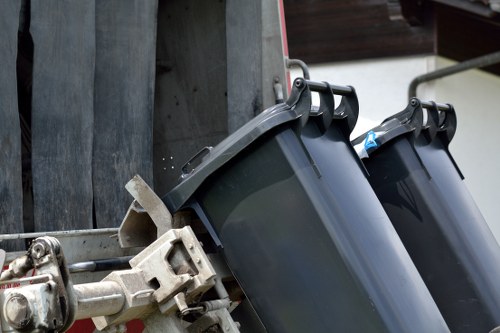
A quotation for business waste removal is usually easiest to prepare when the main facts are clear. Tell us what type of premises the waste is in, what needs removing and whether access is straightforward or limited. If you are arranging the job on behalf of a wider team, it helps to know which items are definitely going and which ones should remain. That avoids confusion and helps the estimate stay close to the actual work required.
It is also useful to mention if the collection needs to happen around operating hours, if there are restrictions on loading, or if the waste is spread across more than one floor or room. A few photographs can help with bulky or mixed loads, but a written description is still important because it explains the context. If the job involves a planned move, refit or office clear-out, you may want to start with contact us so the quotation request can be directed to the right part of the service.
For a quick response, keep the first message simple and practical: describe the load, give the site type and say whether the waste is ready for collection. From there, we can discuss the next step and provide a quotation that reflects the work at hand. When you are ready, ask for a quote and we will help turn the clearance into a straightforward arrangement.
Why businesses choose a planned removal approach
A planned removal approach suits companies that want waste cleared without leaving the premises in disarray. It lets the collection be organised around the way the site functions, whether that means fitting in with customers, staff, deliveries or building work. For many businesses, this is preferable to storing unwanted items until they become a larger problem. The removal can be timed, described and carried out with clearer expectations on both sides.
Commercial waste jobs also benefit from a sensible order of priorities. Heavier items may need to be removed first, while lighter waste can be grouped and loaded afterwards. That sort of planning becomes easier when the site owner or manager can explain what is present and what the likely constraints are. If the premises include old furniture, stockroom clutter or mixed office contents, the collection can be shaped around the most practical sequence rather than handled as a random clear-out. For added context on what the service covers, waste removal gives a broader view of the general service family.
Many businesses also appreciate being able to deal with a single source for several related items instead of arranging multiple small removals. That does not mean every job is complex; rather, it means the service can be adjusted to the scope of the waste and the condition of the site. If you have items to clear and want the process to remain orderly, send the details through and a quote can be prepared from there.